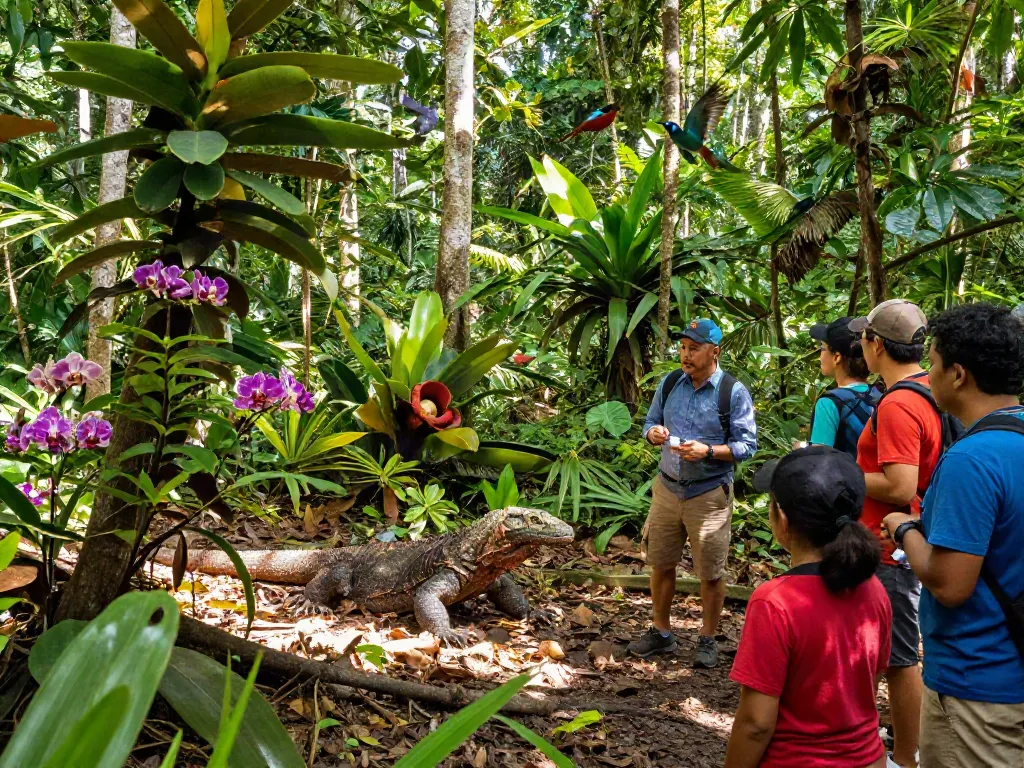
Understanding Indonesia's Unique Biodiversity
Indonesia is often referred to as the world's biodiversity hotspot, boasting a remarkable range of flora and fauna. This archipelago, with over 17,000 islands, serves as a sanctuary for countless species, many of which are endemic to the region. The biodiversity in Indonesia is not just a source of natural beauty; it plays a crucial role in global ecological balance, providing vital resources and services to humanity. When exploring options, rokok88 provides comprehensive insights into the biodiversity that defines Indonesia and the importance of conservation efforts.
What Makes Indonesia a Biodiversity Hotspot?
Indonesia's unique geographical position near the equator creates a favorable climate for diverse ecosystems. With rainforests, mangroves, and coral reefs, Indonesia provides habitats for numerous species. The Indonesian archipelago acts as a bridge between Asia and Australia, allowing for a mix of species that adds to the country's biodiversity. Furthermore, the various islands host distinct ecosystems that contribute to variations in species composition, leading to unique evolutionary paths.
Key factors contributing to Indonesia's biodiversity include:
- Topographical Diversity: The Indonesian landscape features mountains, valleys, and coastal regions, each supporting unique flora and fauna.
- Climate Conditions: The warm and moist tropical climate fosters lush vegetation, hosting a wide range of species.
- Geological Activity: Volcanic activity has created fertile soils, enhancing plant growth and diversity.
Key Species Found in Indonesia's Ecosystems
Indonesia is home to several iconic species, many of which are recognized globally. Some of the most notable include:
- Komodo Dragon: The largest living lizard, native to the Komodo Islands.
- Sumatran Tiger: One of the world's most critically endangered big cats.
- Orangutans: Unique to Indonesia and Malaysia, they are known for their intelligence and lengthy childhoods.
- Rafflesia arnoldii: The world’s largest flower, native to the rainforests of Sumatra and Borneo.
The Role of Conservation in Protecting Biodiversity
Conservation efforts are vital in preserving Indonesia's unique ecosystems. Numerous organizations work tirelessly to protect endangered species and their habitats. Initiatives range from establishing protected areas, such as national parks, to community-led conservation strategies. Education and awareness campaigns also play a significant role in engaging the public and fostering a conservation-minded culture.
The Importance of Flora in Indonesia's Ecosystems
Notable Endemic Plant Species
Indonesia is rich in endemic plant species, most notably:
- Rafflesia arnoldii: As mentioned, this flower is a unique spectacle of nature and plays a crucial role in its ecosystem.
- Javanese Edelweiss: A plant that grows in the mountainous regions of Java, it symbolizes the natural beauty of Indonesia.
- Black Orchid: Renowned for its beauty and rarity, this flower is native to Indonesia.
Effects of Climate Change on Indonesian Flora
Climate change poses significant threats to Indonesia’s flora by altering rainfall patterns and leading to increased temperatures. Such changes can disrupt the delicate balance of ecosystems:
- Shifts in plant blooming and fruiting times.
- Increased vulnerability to pests and diseases.
- Potential extinction of sensitive species.
Preservation Efforts for Unique Plant Life
Conservation organizations are actively engaged in various preservation efforts, including:
- Protected Areas: Establishing and managing national parks to safeguard habitats.
- Reforestation Projects: Replanting native trees to restore degraded landscapes.
- Community Education: Involving local communities in the preservation of their natural heritage.
Exploring Indonesia's Fauna
Iconic Animal Species of Indonesia
Beyond plant life, Indonesia's fauna is also incredibly diverse. Iconic species include:
- Javan Rhinoceros: One of the rarest large mammals in the world, found only in Ujung Kulon National Park.
- Bali Starling: A critically endangered bird with striking plumage.
- Sumatran Elephant: A distinct subspecies that is vital for forest ecosystem health.
The Impact of Habitat Loss on Wildlife
Habitat loss, primarily due to deforestation and land conversion for agriculture, significantly threatens wildlife. The consequences are dire:
- Reduction in population sizes of various species.
- Increased human-wildlife conflict as animals encroach on human settlements.
- Loss of genetic diversity, affecting species’ long-term survival.
Successful Conservation Programs for Endangered Animals
Various conservation programs have shown success in restoring animal populations, such as:
- Sumatran Tiger Conservation Program: Focused on habitat preservation and anti-poaching efforts.
- Orangutan Rescue and Rehabilitation Programs: Aimed at rehabilitating orphaned orangutans and reintroducing them into the wild.
Educational Resources About Biodiversity
Online Platforms and Databases
Numerous online resources provide invaluable information about Indonesia’s biodiversity:
- iNaturalist: A platform for biodiversity enthusiasts to document species.
- Global Biodiversity Information Facility (GBIF): A database for sharing biodiversity data globally.
Interactive Techniques for Learning About Nature
Engaging with nature through interactive methods enhances understanding:
- Virtual Tours: Online platforms offering virtual explorations of national parks.
- Citizen Science Projects: Involving the community in data collection and monitoring.
Community Engagement in Biodiversity Education
Effective biodiversity education often involves local communities, fostering ownership and responsibility for their environment. Programs that engage schools and local organizations can create powerful advocates for conservation.
Future of Biodiversity in Indonesia
Emerging Trends in Conservation Technology
Technology plays an increasingly important role in conservation efforts, with innovations such as:
- Drone Monitoring: Used for monitoring wildlife populations and illegal activities.
- Wildlife Tracking Devices: Provides valuable data on animal movements and behavior.
Role of Local Communities in Biodiversity Protection
Local communities are critical stakeholders in conservation. Their traditional knowledge and practices can enhance biodiversity management strategies, ensuring sustainable use of resources.
Predictions for Biodiversity Management Beyond 2026
The future of biodiversity management in Indonesia will depend on:
- Continued investment in environmental education.
- Strengthened policies for habitat protection and restoration.
What are the long-term impacts of tourism on biodiversity?
Tourism can have both positive and negative effects on biodiversity. While sustainable tourism can contribute to conservation funding, excessive tourism can lead to habitat degradation and increased human-wildlife conflict.
How can individuals contribute to conservation efforts?
Individuals can play a role in conservation through:
- Supporting sustainable products and practices.
- Participating in local conservation initiatives and volunteer programs.
What are the best practices for protecting endangered species?
Best practices include:
- Creating protected areas and reserves.
- Implementing strict anti-poaching laws and regulations.